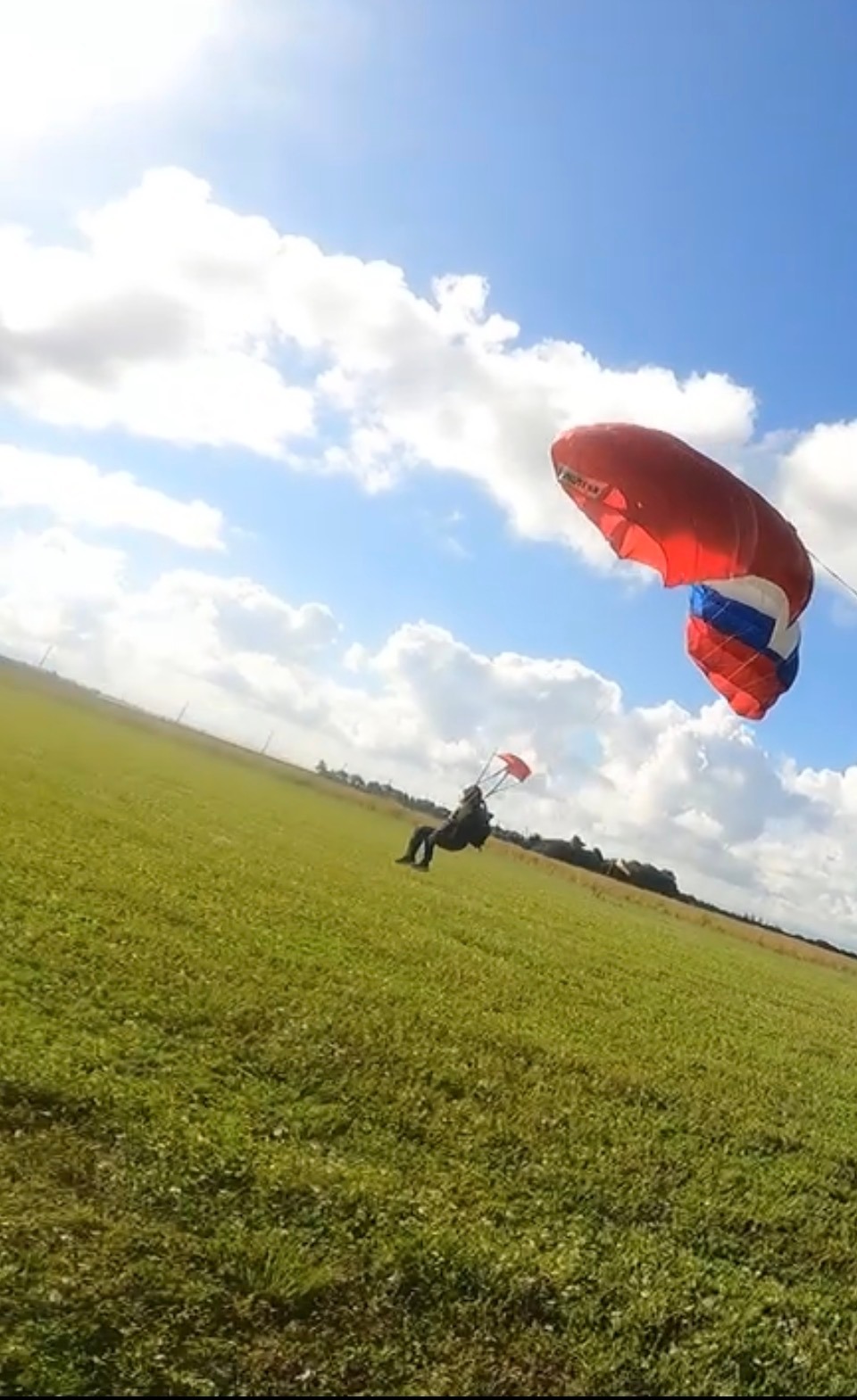
Life taught me that we don't choose risk — risk chooses us.
I had to walk through pains that reshaped everything I believed about myself: loss, reinvention, responsibility, the fear of failing, the weight of time, and the Alzheimer's that took my father and my sister.
Each of these moments became a crossing that demanded courage, presence, and a new version of myself.
Adventure sports were never a hobby. They were my laboratory. They were the place where I learned to mirror my own human risks, the same risks most of us face, or eventually will.
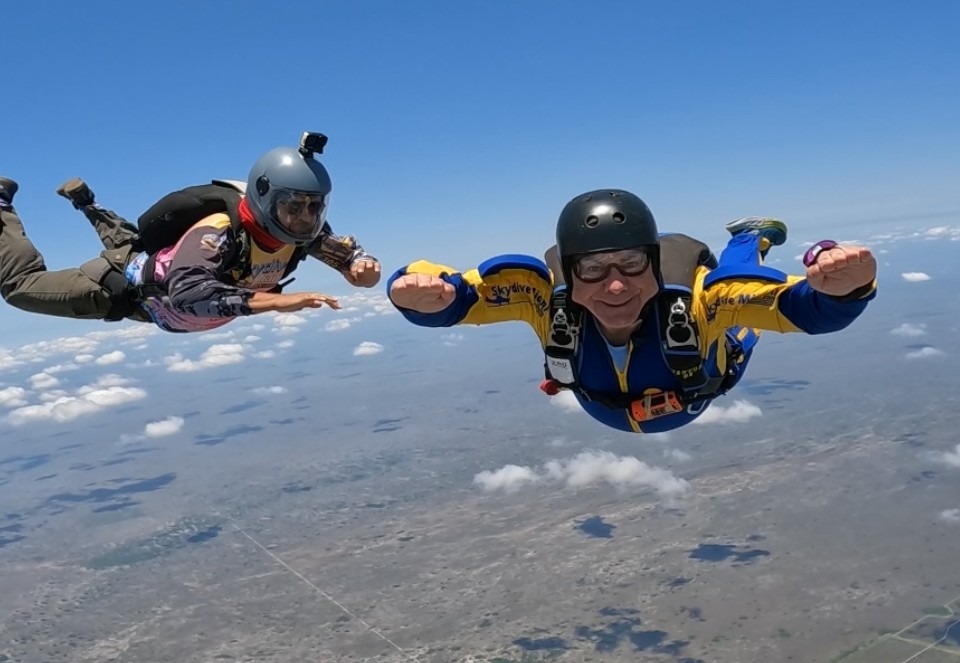
In the sky, I learned about control. On the bike, about persistence. Underwater, about depth. On the track, about speed. In the air, about faith.
And I discovered that courage is not the absence of fear, but the decision to move forward.
Courage is a choice. Risk is the path.
Some people stay where they were born. Others move because life insists on movement. My life has been a sequence of travessias — crossings that shaped who I am.
I was born in São Paulo/Brazil, in the last generation that lived fully in the analog world. We grew up rewinding tapes, fixing antennas, dialing phones, and watching technology rewrite everything we thought we understood. Adapting became part of my identity — not just to new tools, but to new ways of living, thinking, and moving through the world.
São Paulo taught me resilience and the ability to navigate complexity. Later, on the southern coast of Brazil — in Santa Catarina — I found balance, presence, and a slower rhythm that allowed me to hear my own thoughts. It was there that my greatest titles arrived: father of Nickolas and Sophia.
Immigrating to the U.S. brought opportunity — and the price of starting over. Rebuilding identity, adapting to a new culture, carrying distance, and learning to belong again became part of my journey.
Life’s challenges — including the Alzheimer’s that took my father and my sister — pushed me to study risk deeply. Adventure sports became my laboratory: skydiving, diving, cycling, racing, aerobatic flying. Not for adrenaline — but to understand how fear behaves, how courage is built, and how we find equilibrium.
I learned that risk is not an enemy. It is a constant. A teacher. A mirror.
I am a Brazilian American author, financial strategist, mentor, and advocate for Alzheimer’s caregivers. My work blends philosophy, psychology, adventure, and real world experience to help people and companies move with clarity, intention, and purpose.
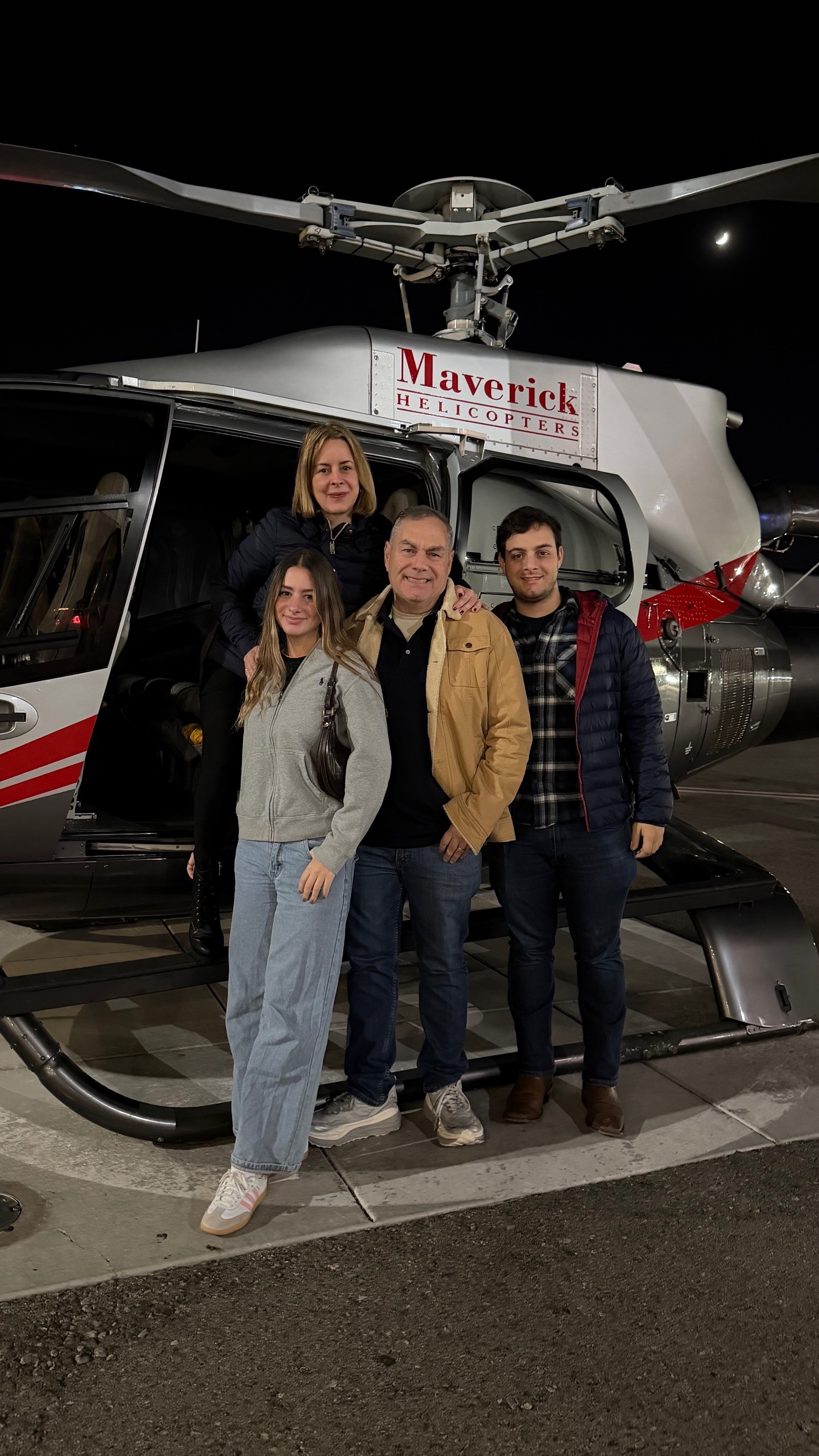
I live in Miami with my family — a reminder that even those who embrace risk need a place that feels like home.
“I don’t believe in arriving. I believe in moving — deliberately, gratefully, and toward what asks the most of us.”
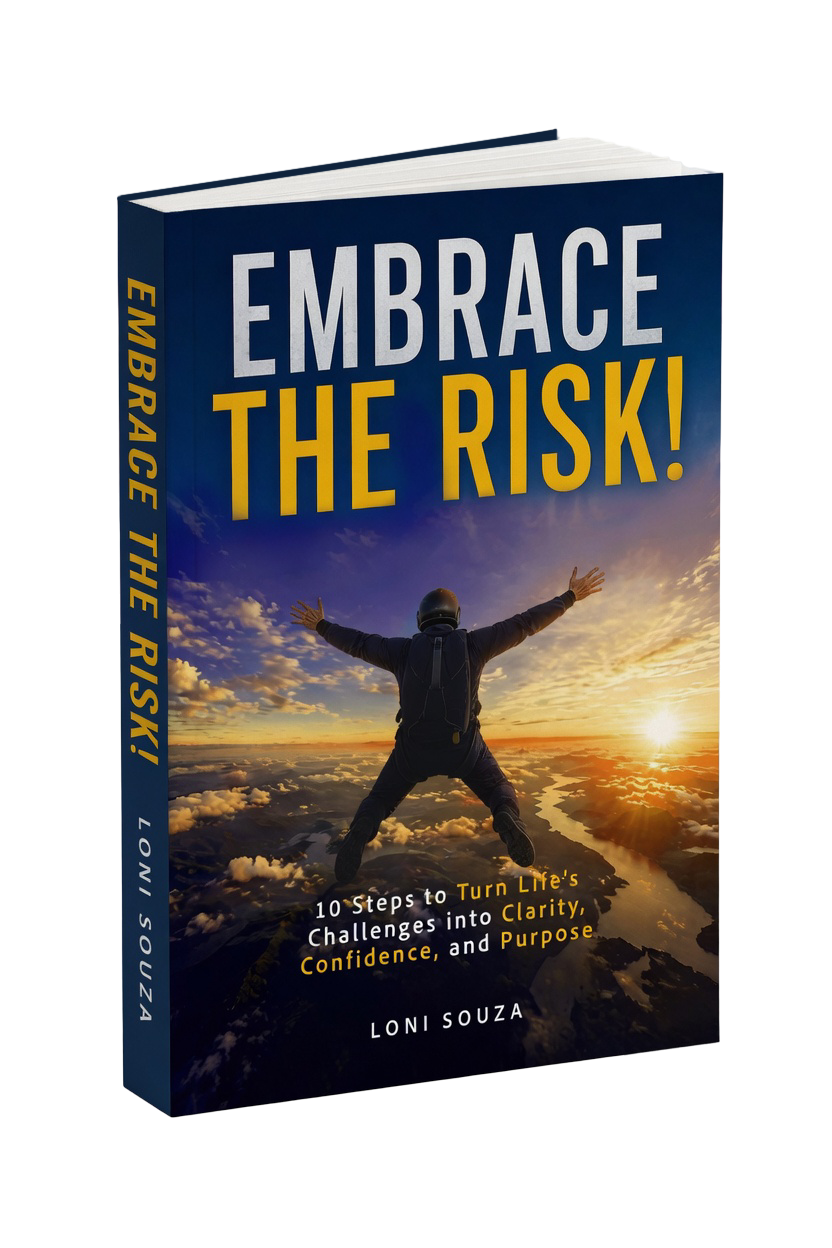
Embrace the Risk was born from a simple and profound question: Why do some risks paralyze us while others transform us?
After walking through loss, reinvention, immigration, responsibility, and the Alzheimer’s that took my father and my sister, I realized that life doesn’t ask only for courage — it asks for awareness.
And it was in adventure sports that I found my laboratory. Every jump, every dive, every mile, every curve, every flight helped me see my own human risks — the same ones most of us face, or eventually will.
This book is the result of those crossings — my travessias.
short, direct, and meaningful
01. Control — The risk of letting go of what was never in our hands.
02. Self Love — The risk of choosing yourself.
03. Loss — The inevitable risk that teaches us to love better.
04. Rebeginning — The risk of starting when everything feels too late.
05. Faith — The risk of trusting the invisible.
06. Purpose — The risk of living aligned with who you truly are.
07. Authenticity — The risk of being seen.
08. Time — The risk of wasting what never returns.
09. Planning — The risk of preparing the future without losing the present.
10. Balance — The risk of sustaining what matters.
Because at some point, all of us face:
And no one should walk through that alone.
Adventure wasn’t only about adrenaline for me. It became a laboratory — a place where I could understand my own human risks through movement, presence, and awareness.
And because every crossing teaches something different, I created a channel where I share my adventures, challenges, and even the defeats — a space to connect with you through the real, unedited version of my journey.
Here are some of the crossings that shaped Embrace the Risk.
In the sky, nothing is improvised. Every detail matters. Skydiving taught me that planning isn’t about predicting the future — it’s about preparing yourself to meet it.
Underwater, silence becomes memory. Depth becomes reflection. Diving taught me that loss is not absence — it is the space where love continues.
On the road, you face yourself — your limits, your thoughts, your truth. Cycling taught me that self‑love is choosing to continue, even when no one sees the effort but you.
Surfing, aerobatic flying, rappelling, and more — each one mirrors a different human risk: control, faith, authenticity, balance…
Their full stories — and the metaphors behind them — live inside the book.
Before the disease exists, there is love.
Before the patient, there is the one who stays.
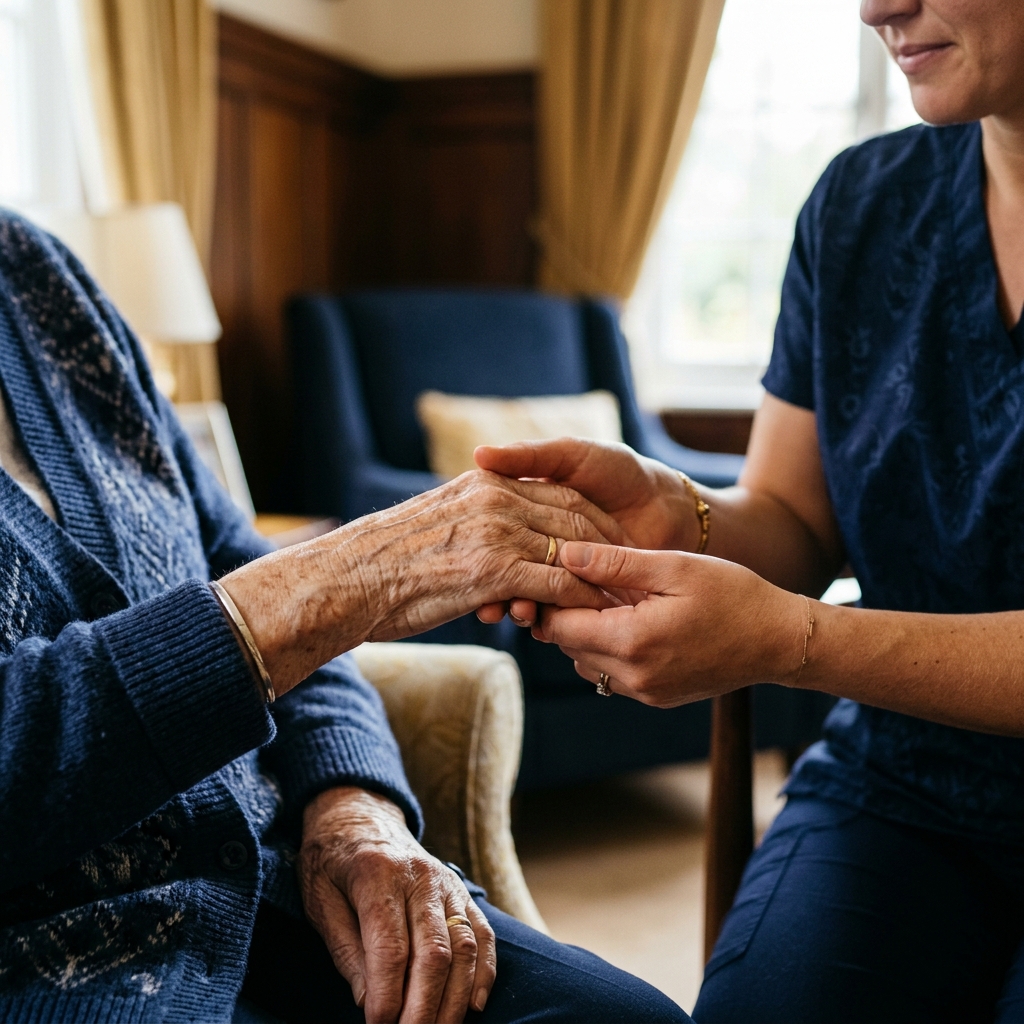
Alzheimer’s doesn’t take someone all at once. It takes them in fragments — memories, routines, names, faces. And the people who stay beside this slow disappearance carry a weight the world rarely sees.
Caregivers are not supporting characters. They are the architecture of dignity.
They manage medications, routines, safety, and crises — but they also carry something far heavier: the emotional labor of loving someone who is slowly forgetting.
I lived this twice — with my father and my sister. I know the exhaustion, the fear, the guilt, the loneliness, the love that hurts and heals at the same time.
And I know one truth: no caregiver should walk this journey alone.
A portion of the proceeds from Embrace the Risk supports caregiver initiatives through BabasBunch.org and other nonprofit organizations dedicated to Alzheimer’s families.
But support is not only financial. It is awareness. It is community. It is recognition. It is saying: I see you.
I created a channel where I share my own crossings — the adventures, the challenges, the defeats — but also the moments of vulnerability that connect us as humans.
It’s a place where caregivers can feel seen, heard, and supported. Not with perfection. But with presence.
If you want to stand with caregivers — through awareness, participation, or impact — you can begin here.
Stand With Caregivers — Begin Your Impact Assessment →Before numbers, there are people.
Before strategies, there are stories.
Life planning is not about predicting the future. It’s about designing a life that feels aligned — emotionally, financially, and humanly — with who you are and who you want to become.
I was born in the analog era, part of a generation that had to adapt to everything: technology, culture, speed, uncertainty. And through all these transitions, I learned something essential:
Planning is not control. Planning is care.
Care for yourself. Care for your family. Care for the life you want to build — and the one you want to protect.
For more than a decade, I’ve helped families navigate:
But planning is not only about money. It’s about clarity — understanding your risks, your priorities, your time, and your purpose. It’s about building a life that makes sense today, and still makes sense tomorrow.
I don’t believe in generic plans. I believe in conversations — honest, human, and grounded in your reality.
My work blends philosophy, psychology, financial strategy, and real‑world experience to help you make decisions with intention and confidence.
People who want to:
Whether you’re starting from zero or refining what you already built, planning is a crossing — and you don’t have to walk it alone.
A simple, human‑centered conversation to understand your goals, your risks, and your next steps.
Start Your Assessment →This is not coaching.
This is lived experience in conversation.
Mentorship, for me, is not about giving answers. It’s about creating a space where you can hear your own.
I don’t work with scripts, formulas, or motivational clichés. I work with presence, clarity, and the truths life taught me through loss, reinvention, immigration, adventure, and responsibility.
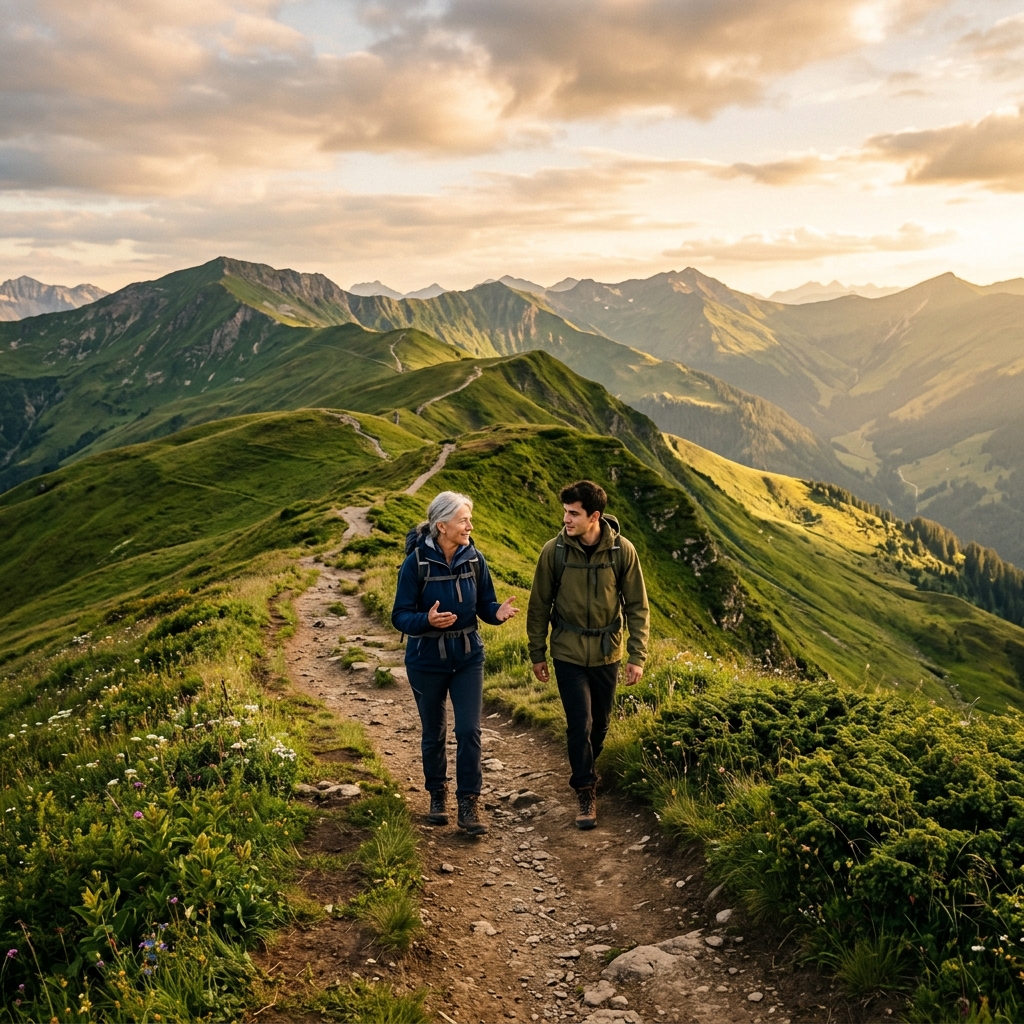
My role is simple: to walk beside you while you walk toward yourself.
It’s a conversation between two human beings — not expert and student, not guru and follower, but traveler and traveler.
We explore:
Mentorship is not about changing who you are. It’s about remembering who you’ve always been.
People standing at their own frontier:
You don’t need to be lost. You just need to be honest.
One conversation at a time. Private, honest, grounded, and human.
No performance. No masks. No rush. Just presence — and movement.
If you feel this is your moment, you can begin the conversation here.
Inquire About Mentorship →